Put Your Land to Better Use
Precision Demolition Techniques
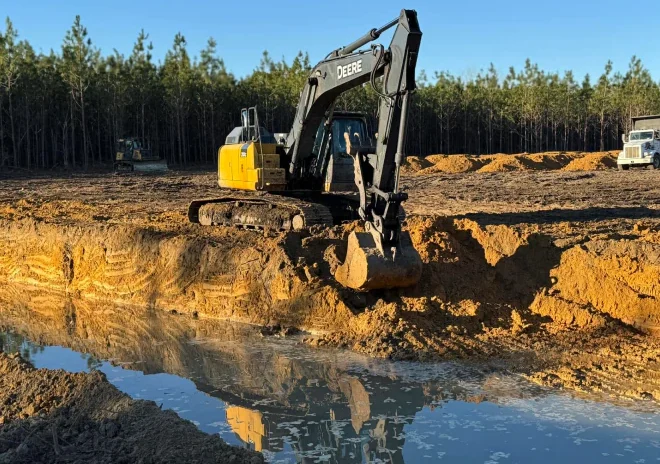
Modern industrial demolition has evolved far beyond the outdated image of a wrecking ball swinging into a building. Today’s precision techniques allow contractors to selectively dismantle structures with surgical accuracy, preserving adjacent buildings while removing only targeted sections. This approach proves particularly valuable in Adel’s growing industrial corridor, where older facilities often sit alongside operational businesses that cannot afford downtime. Advanced methods such as high-reach excavators equipped with specialized attachments enable controlled dismantling from the top down, reducing vibration and containing dust within manageable zones.
Robotic demolition equipment has transformed how contractors approach confined spaces and hazardous environments. These remotely operated machines can work in areas where human presence would pose unacceptable risks, from asbestos-laden interiors to structurally compromised floors. The precision extends to material separation as well, where careful deconstruction allows valuable materials like steel beams, copper wiring, and reusable concrete to be recovered and repurposed rather than landfilled. This salvage operation not only reduces project costs but aligns with sustainability goals that many property owners now prioritize. When planning an industrial demolition project, understanding these precision options ensures you select the methodology that balances speed, safety, and environmental responsibility for your specific site conditions.
Safety Standards in Industrial Settings
Safety protocols in industrial demolition extend well beyond basic hard hat requirements. Before any physical work begins, thorough site assessments identify potential hazards ranging from underground utilities to airborne contaminants. In Georgia’s humid climate, where structures may harbor mold or deteriorating materials, pre-demolition surveys become even more critical to worker and community health. Contractors must develop comprehensive safety plans that address fall protection, structural stability monitoring, and air quality control throughout every phase of the project. These plans require coordination with local authorities, utility providers, and neighboring property owners to ensure everyone understands the timeline and protective measures in place.
The demolition contractor’s responsibility includes establishing exclusion zones that prevent unauthorized access while maintaining clear egress routes for workers. Regular safety briefings keep crews aware of changing conditions as the structure comes down, since each phase reveals new challenges that weren’t visible during initial inspection. Georgia’s OSHA state plan enforces strict compliance with federal standards, and violations can halt projects indefinitely while exposing property owners to significant liability. Modern monitoring systems now include real-time dust and noise measurement, allowing teams to adjust operations immediately when thresholds are approached. When you partner with a qualified demolition contractor, their safety record and protocol documentation should demonstrate a culture that treats worker protection and community impact as non-negotiable priorities, not administrative checkboxes to be minimized.
Environmental Compliance and Waste Management
Environmental regulations governing industrial demolition have grown increasingly stringent as communities recognize the long-term impact of construction waste. Georgia’s solid waste management laws require detailed waste characterization before demolition begins, ensuring hazardous materials are identified and handled through proper channels rather than mixed with general debris. Asbestos, lead paint, PCB-containing equipment, and petroleum-contaminated soils all demand specialized removal and disposal procedures that add complexity to project timelines. Contractors must secure multiple permits and notifications, coordinating with the Georgia Environmental Protection Division to document compliance at every stage.
The waste hierarchy principle, reduce, reuse, recycle, guides responsible demolition practice. Concrete rubble can be crushed on-site and used as fill material or aggregate for new construction, dramatically reducing trucking costs and landfill burden. Metals command strong salvage value when properly sorted, providing a revenue stream that offsets disposal expenses. Wood framing, if uncontaminated, may be ground into mulch or biomass fuel rather than occupying valuable landfill capacity. In Adel’s agricultural setting, where land use planning carefully balances industrial and farming interests, demonstrating environmental stewardship through waste diversion strengthens community relationships and project approvals. Property owners should expect their demolition contractor to provide detailed waste management plans that quantify diversion rates and disposal methods, turning environmental compliance from a regulatory burden into a measurable project asset that supports your sustainability commitments and potentially qualifies for green building credits in future development.
Equipment Innovation and Automation
The equipment driving industrial demolition today bears little resemblance to the tools of a decade ago. High-reach excavators now extend to heights exceeding 200 feet, allowing contractors to methodically dismantle multi-story structures from the top down while operators remain safely at ground level. These machines feature quick-coupler systems that swap attachments in minutes, transitioning from concrete pulverizers to shears to grapples as the work progresses through different materials. Hydraulic power has increased exponentially, enabling single bites through reinforced concrete that once required days of jackhammering. GPS-guided grading attachments ensure demolished sites meet precise elevation specifications for future construction, eliminating the need for separate grading mobilizations.
Automation and telematics have transformed how contractors manage fleets and monitor productivity. Real-time data streams report fuel consumption, idle time, maintenance needs, and operator behaviors, allowing project managers to optimize performance without constant on-site supervision. This technology proves particularly valuable on large industrial sites where multiple machines operate simultaneously across sprawling footprints. Dust suppression systems have evolved beyond simple water sprays to include misting cannons and foam agents that bind particulates at the source, addressing one of demolition’s most persistent community concerns. In regions like Adel, where agricultural operations depend on air and soil quality, these innovations protect neighboring properties from contamination that could jeopardize crop certifications or livestock health. When evaluating demolition proposals, ask contractors about their equipment inventory age, maintenance schedules, and technology integration, these factors directly influence project efficiency, safety outcomes, and your confidence that the work will proceed on schedule without unexpected breakdowns or compliance issues.